
May
Sometimes I feel like my whole life is spent at my allotment, pulling bindweed. Four years ago I carved the space out of rough pasture, and the bindweed has been a constant presence. With roots capable of reaching four metres into the soil, removing it entirely can feel like an impossible task. Gardening literature tends to focus on beautiful flowers, abundant harvests and manicured borders, but much of gardening consists of repetitive tasks that are barely noticeable from one day to the next. Yet, like the bindweed itself, these small acts accumulate. A garden is shaped less by grand gestures than by hundreds of repeated tasks carried out over months and years.
A visitor walking through a garden sees roses, colour and abundance. A gardener sees years of work compressed into a single moment. The pruning, mulching, staking, feeding and weeding that make a border look effortless are largely invisible, and much of that work was carried out weeks, months, or even years before the visitor arrived. Gardens are accumulations of time.
At any given moment gardeners are working in several different timeframes at once. Today’s harvest. Autumn’s planting. Next year’s fruit. The orchard that may mature long after we’ve gone. As I tie in tomatoes under baking sun I am planning where to put the brassicas that will survive harsh winters. Standing among roses in full flower, I am thinking about where and how I will prune them in the bleakness of February. After snapping off a few broad bean pods for dinner I sow some courgettes to replace them in a few weeks.
Some jobs have results that may not appear for a long time. Bindweed takes years of wearing down, but eventually it will weaken and die. Building soil structure and fertility can take several seasons, but one day you will notice that your beds have become rich with fungal, insect and microbial life. Training fruit trees, establishing meadows and restoring neglected gardens often show little immediate change. It is only months or years later that results become obvious. This work can feel invisible, but it often determines everything that follows.
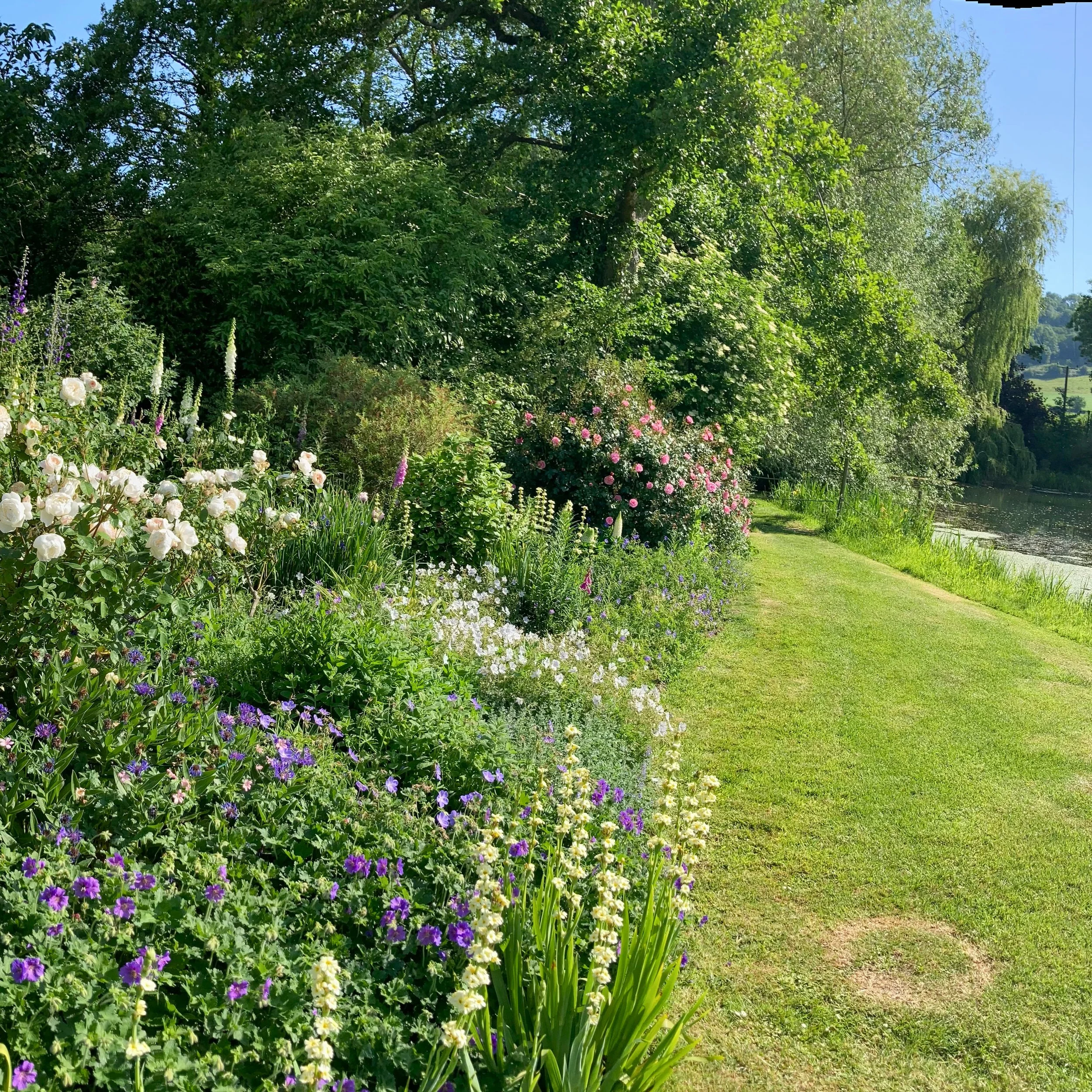
Every garden contains the work of many seasons
Unlike my allotment, most gardeners don’t create gardens from scratch. We inherit them. Especially in my line of work, I am often entering gardens that I did not plan and am unfamiliar with. Beginning work in a garden during winter may mean that there are dormant bulbs or perennials waiting to burst into life that I am not aware of. Even if everything is in full flight when you take on a garden, you may inherit trees planted decades ago or hedges lovingly maintained by previous generations. Beyond the plants themselves, the soil carries the legacy of past management. Some decisions will have improved it. Others may still be creating problems years later.
Nature itself operates on long timescales. Healthy soil takes years to build, fruit trees take time to mature, and woodlands develop over generations. Meadows, too, are constantly evolving in response to weather, disturbance and opportunity. Gardens may be more managed than wild landscapes, but they are governed by many of the same processes. They remind us that meaningful change is often measured in years rather than days.
Back in the allotment, I am still pulling bindweed. It will almost certainly be there next week. And next month. Probably even next year. Sometimes it feels like this job will never be finished. But gardening is not really about finishing. Nothing is ever finished. Instead, it’s about participating in an ongoing process, contributing to a place that existed before us and will continue after us.
Perhaps that is one of gardening’s greatest gifts. It reminds us that we are only one chapter in a much longer story. You arrive at a place, care for it for a while, and eventually, one way or another, you will pass it on. Some of the most worthwhile work we do may take years to bear fruit.