
Services
The areas below describe the different kinds of Living Garden stewardship I offer - long-term care for gardens that are productive, beautiful, and alive. This approach works particularly well in larger gardens, estates and rural properties, where attention over time makes the greatest difference.
Kitchen Gardens & Allotments
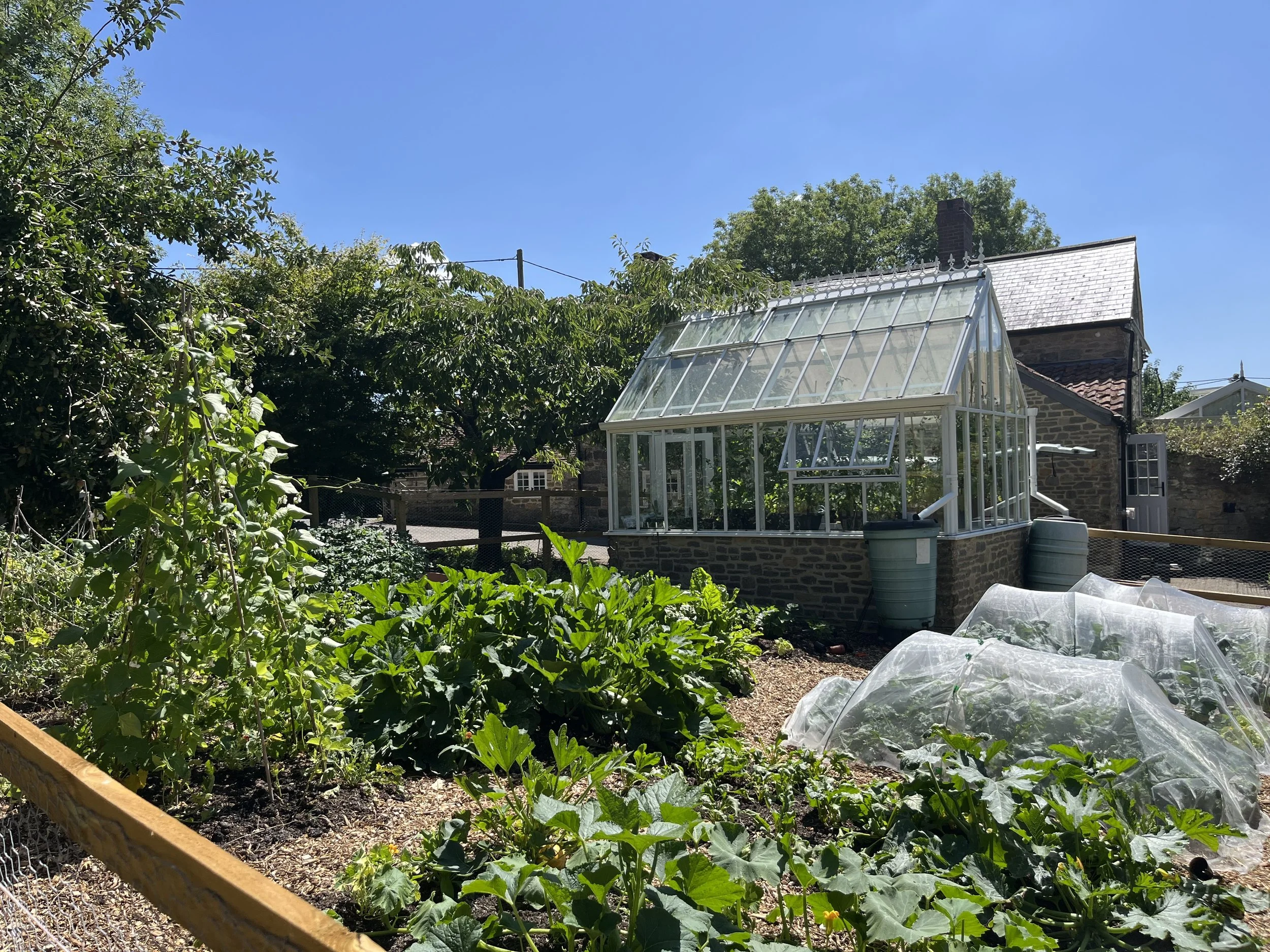
For many people, growing food is where a Living Garden becomes most tangible.
I establish and tend edible gardens as productive living systems, intended to grow well over time. They are designed to be enjoyed and used by the people who live with them, whether that’s individuals, families, schools, or communities.
This work often includes:
creating or refreshing no-dig beds
improving soil health through composting and mulching
planning crops through the seasons, including succession sowing
planting, thinning, and harvesting at key moments
nurturing plants and their environments to manage pests and diseases
Orchard Care
& Fruit Trees
Fruit trees shape a Living Garden and link seasons together over time.
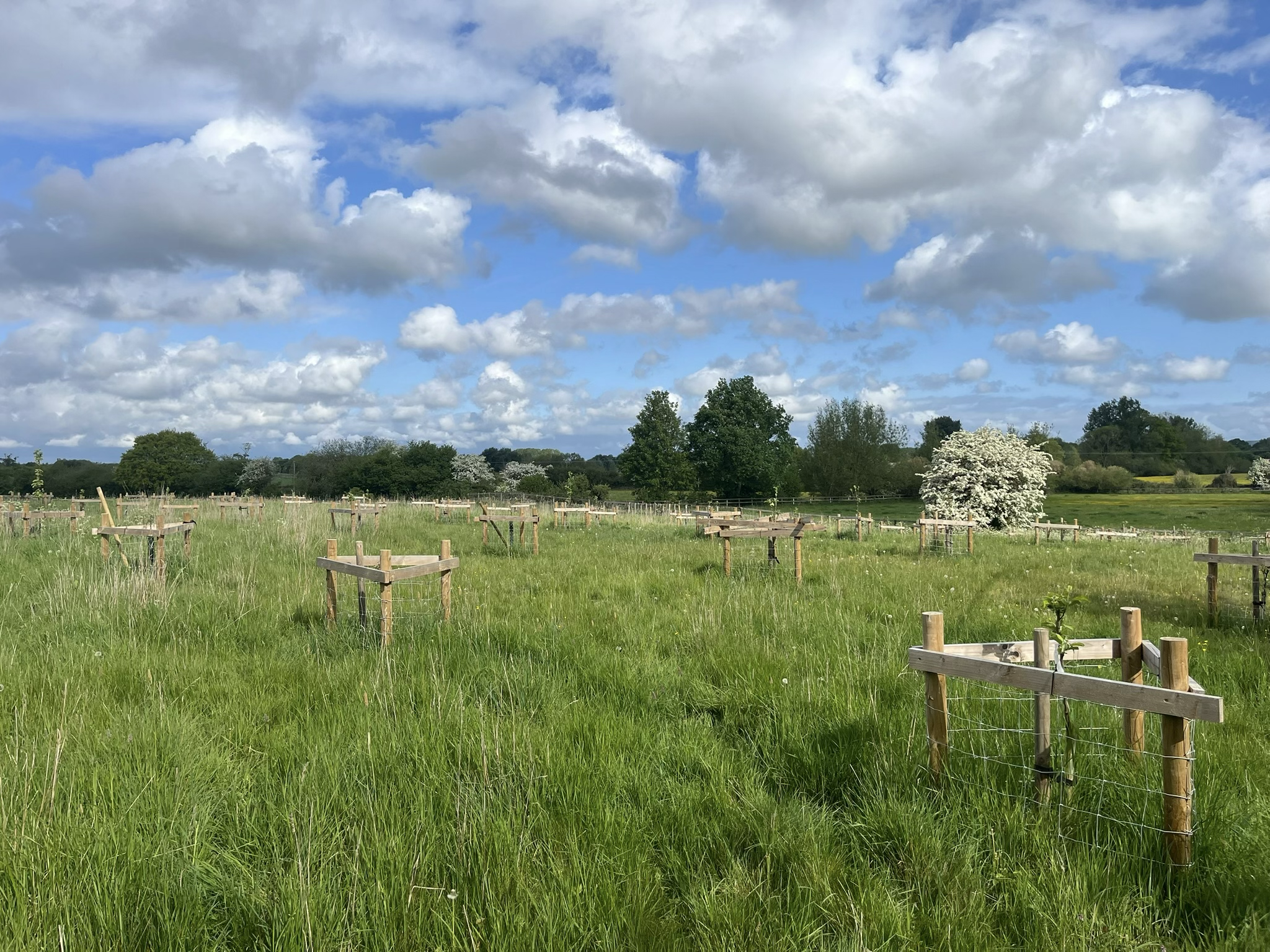
I look after fruit trees and small orchards, with a long-term focus on tree health, light, and the life beneath the canopy. Care is spread across the year, following the rhythm of the trees rather than fixed appointments.
This may include:
winter pruning to support structure, airflow and long-term health
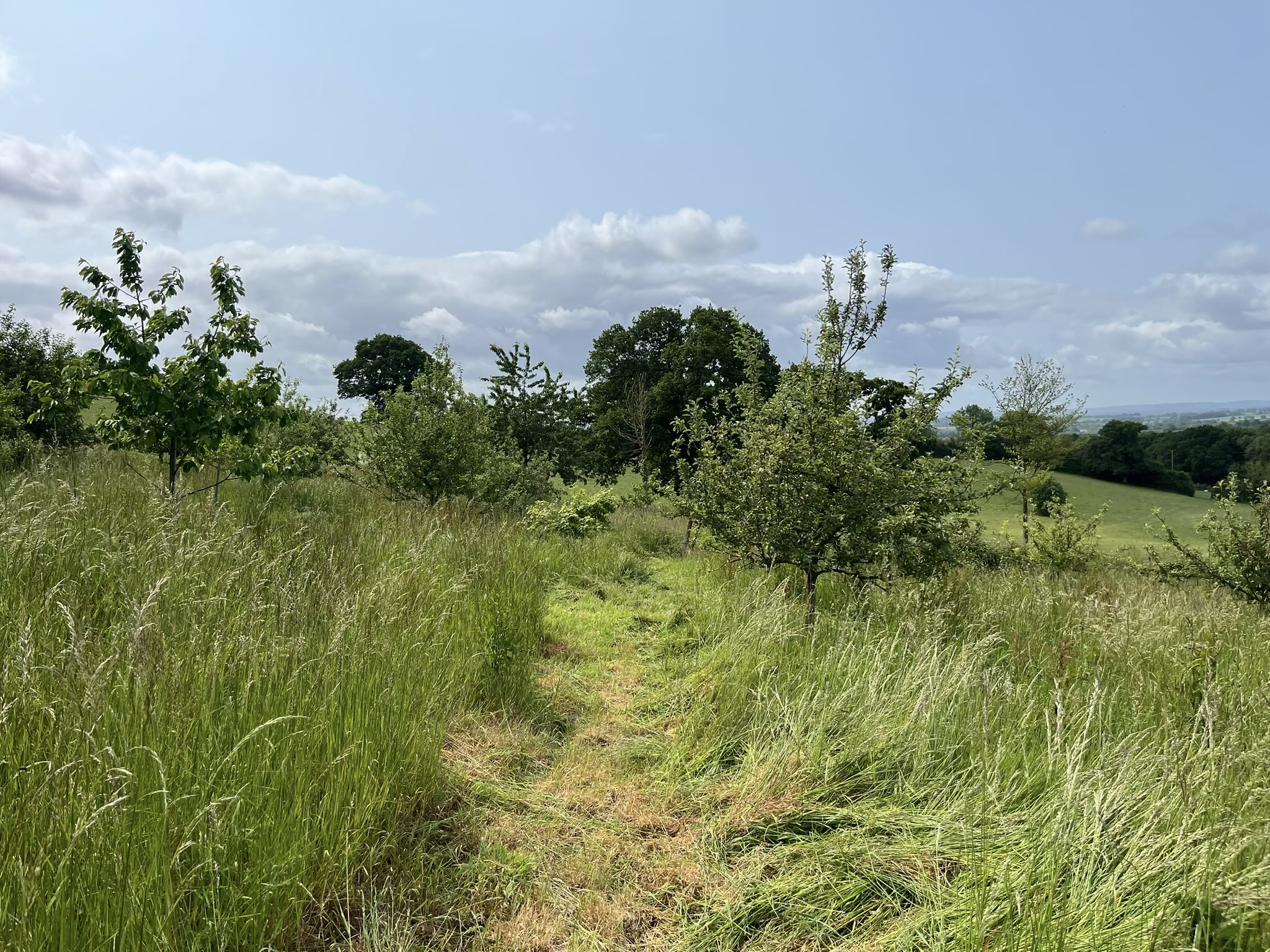
scything or managing grass and paths through orchards
encouraging wildflowers or spring bulbs beneath trees
managing ground cover to reduce competition and build soil
juicing and preserving harvests
Wild Spaces
& Natural Gardens
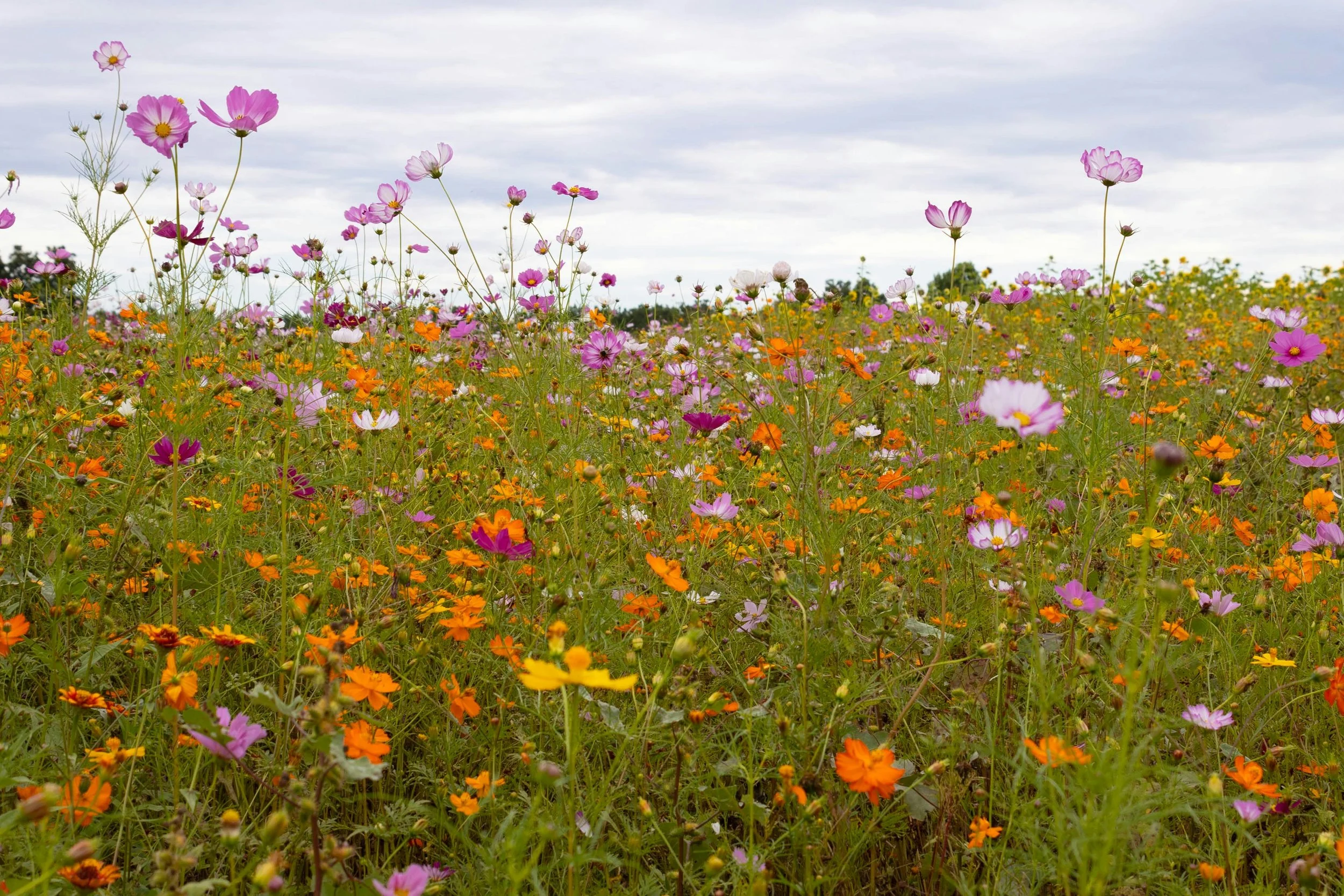
Wild areas play a vital role in a Living Garden, supporting pollinators, birds and biodiversity.
From wildflower meadows to naturalistic landscapes, I design spaces that are not only beautiful but also rich in habitat and food for bees, butterflies, and other beneficial creatures.
It often involves:
selective cutting rather than blanket mowing
choosing native plants that flourish in their natural environment
managing paths, boundaries, and edges so wild areas feel held
allowing plants to flower, seed, and overwinter naturally
creating habitats ranging from dead hedges to wildlife ponds
Consultancy
& Design
Sometimes all a Living Garden needs is clearer understanding.
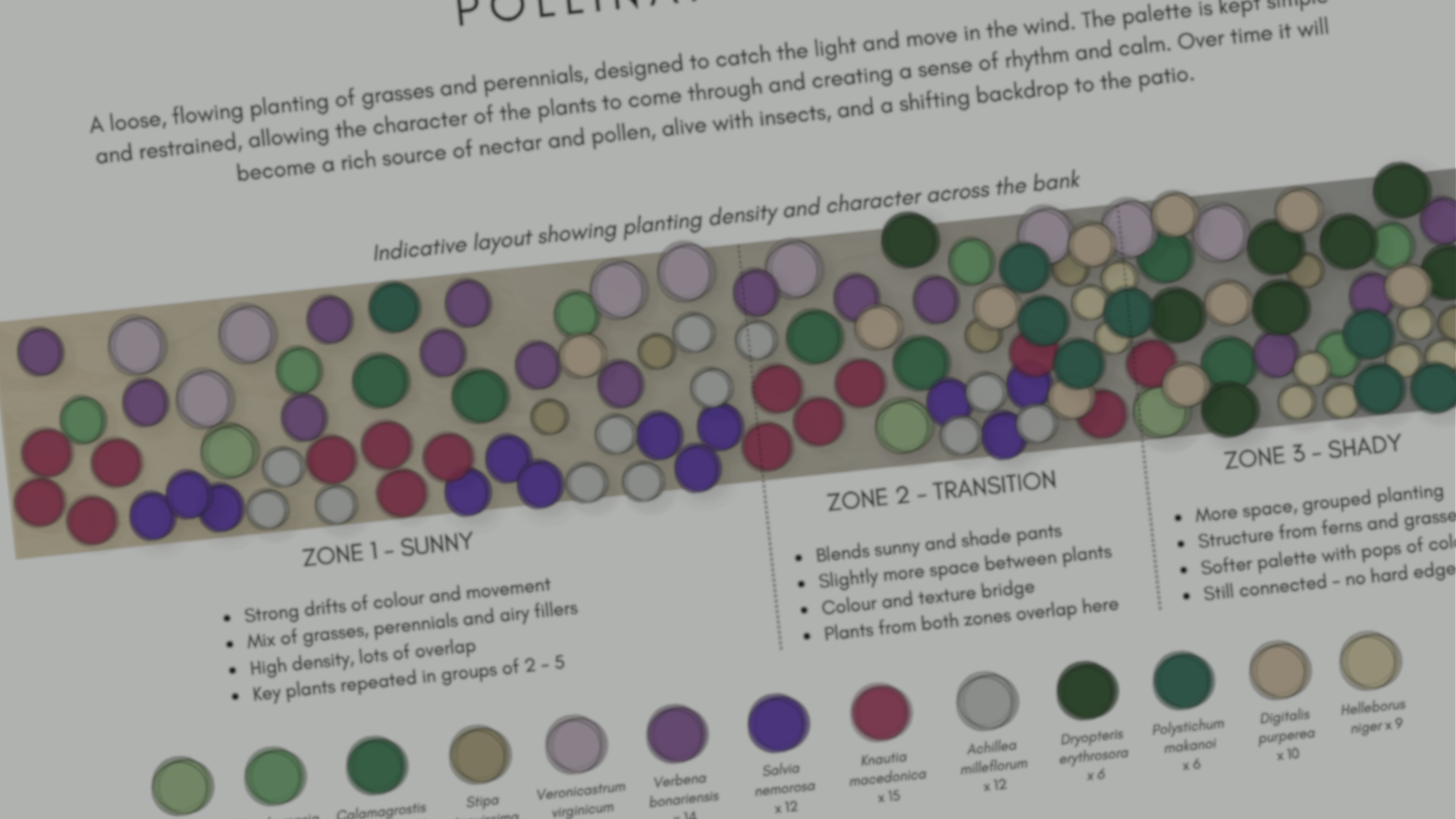
Alongside ongoing care, I offer consultancy for people who want to step back and take stock of their garden or land — to understand where things stand now, and what might change over time. Consultancy can also include garden or orchard layout and design, soil sampling and interpretation, simple biodiversity assessments, or help framing work with specialist contractors.
It often includes:
placing the land in context — its history, constraints, and long-term direction
identifying what’s working well and what’s under pressure
clarifying priorities for the coming seasons
helping you decide what matters most now, and what can wait
shaping a coherent direction that guides future work and decisions
Talks
& Workshops
A Living Garden begins with learning how to see differently.
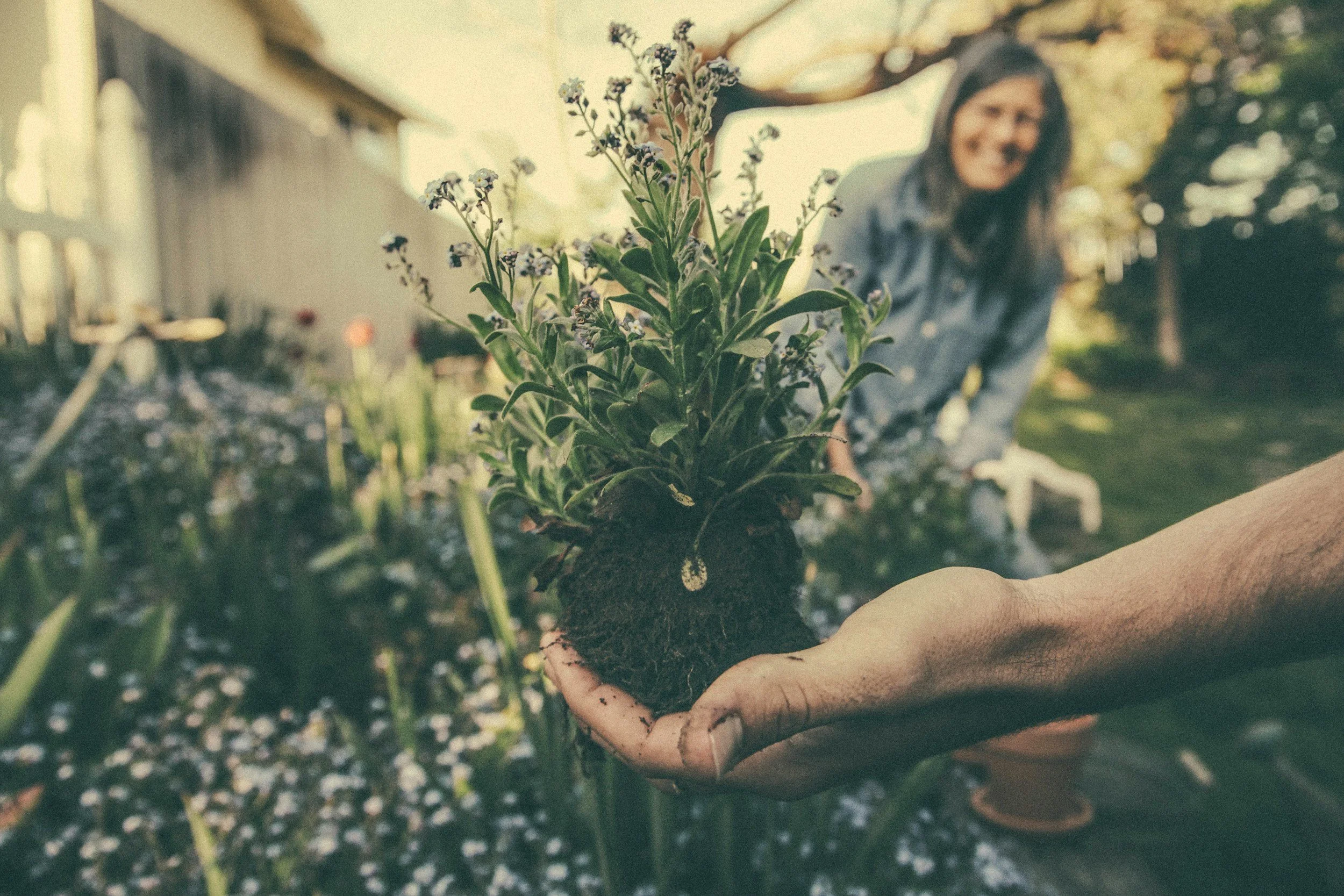
I offer talks and small-group workshops on Living Garden principles — sharing ways of thinking about gardens, land, and long-term care that are grounded in practice rather than theory. These sessions are suitable for garden groups, community organisations, landowners, or anyone interested in a more thoughtful, regenerative approach to caring for land.
They may involve:
exploring gardens and landscapes as living systems
understanding seasonal rhythms and how they influence interventions
reading landscapes and what they tell us
learning how to work with soil health and biodiversity in practical, accessible ways
hands-on learning about habitat creation, pruning, propagation, and so on