
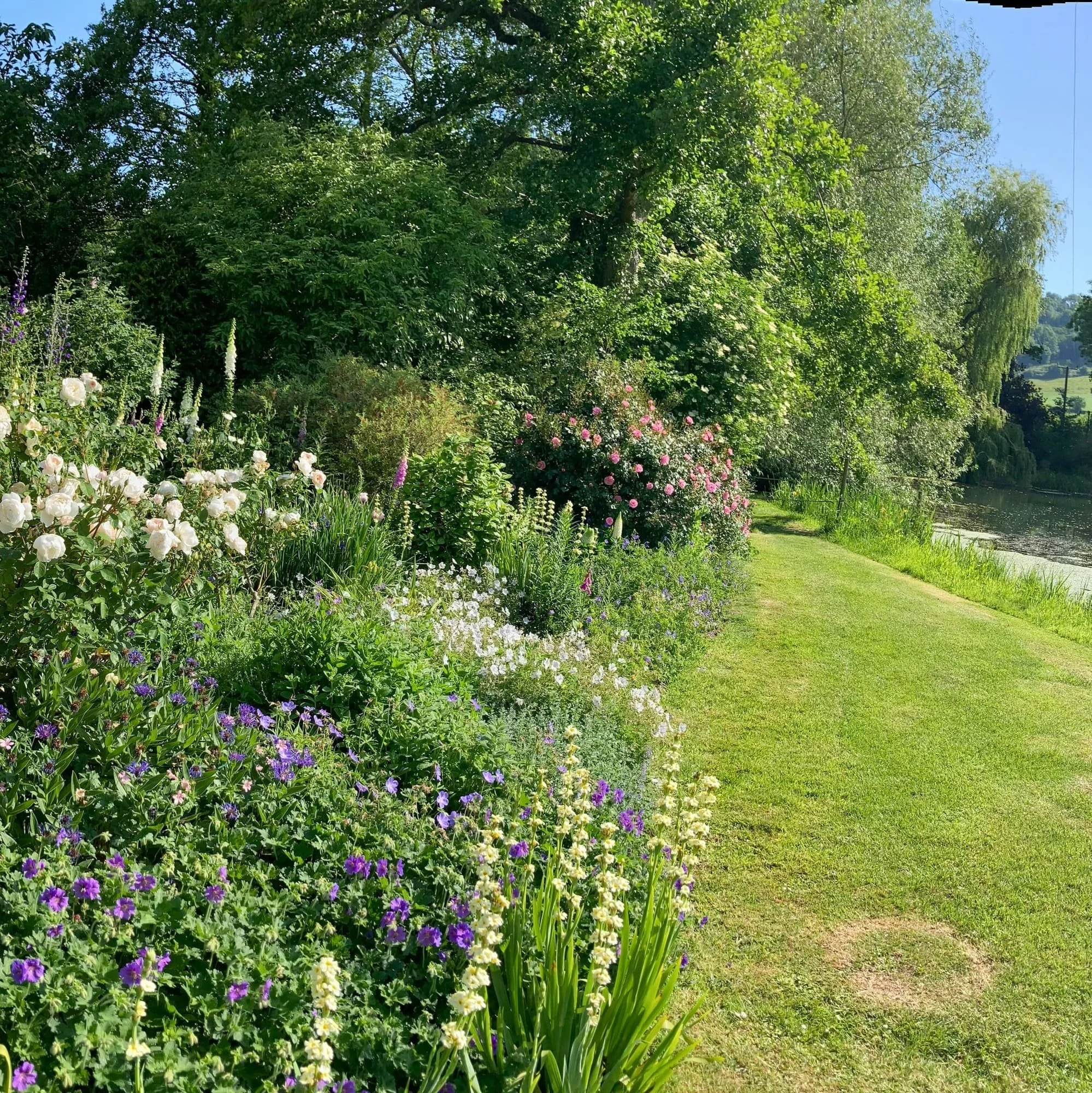
The Living Garden Approach
Working with the life of a garden.
A Living Garden is not a collection of separate features to be installed and maintained in isolation. What happens in one part of the garden affects the rest; soil, plants, wildlife, people, and time all influence one another.
Healthy soil supports healthy plants; diverse planting supports insects and birds; seasonal rhythms shape growth, rest, abundance and decline.
A garden is understood through its functioning. This means intervening with purpose: understanding what a place needs, recognising what is already valuable and knowing when action will improve the whole system.
Five principles that guide the work
A method, not just a philosophy
Creating a Living Garden can seem overwhelming, but it’s actually very simple. Like any healthy system it’s governed by a few core principles. Keep these in mind whenever you’re planning, planting, improving - or simply spending time in your garden.Together, these principles result in work that is organic in method, regenerative in intention and nature-led in its decision-making.
Before acting, take time to observe how the garden changes through the day, the seasons and the years. Waiting is not neglect: it helps reveal what the place genuinely needs and prevents unnecessary or poorly timed intervention.
01
Wait and see
Every intervention affects the soil, plants and habitats already present. Do what is necessary with care, retaining what is working and avoiding habitual digging, clearing or replacement where a gentler approach would be more beneficial.
02
Reduce disturbance
Natural systems cover and build soil, recycle organic matter and create layers of interconnected growth. By learning from these patterns - not trying to reproduce wilderness - we can create gardens that are productive, resilient and rich in life.
03
Imitate nature
Diversity in plants, habitats, structure, season and function supports wildlife and strengthens the garden as a whole. A varied garden has more ways to respond to changing conditions and more opportunities for life to flourish.
04
Encourage diversity
Soil, plants, water, wildlife and people are all connected; a change in one part of the garden affects the rest. Design and care should therefore strengthen relationships across the whole garden rather than treating each feature in isolation.
05
Nothing stands alone
The same thinking, applied in different ways
How the approach shapes the work
Consultancy & Design
Understand how the garden is functioning, identify the most valuable opportunities and establish a clear direction for change.
Care & Stewardship
Combine practical work with observation, continuity and seasonal judgement rather than following a fixed maintenance list.
Talks & Learning
Help people understand gardens as living systems and become more capable stewards of their own places.
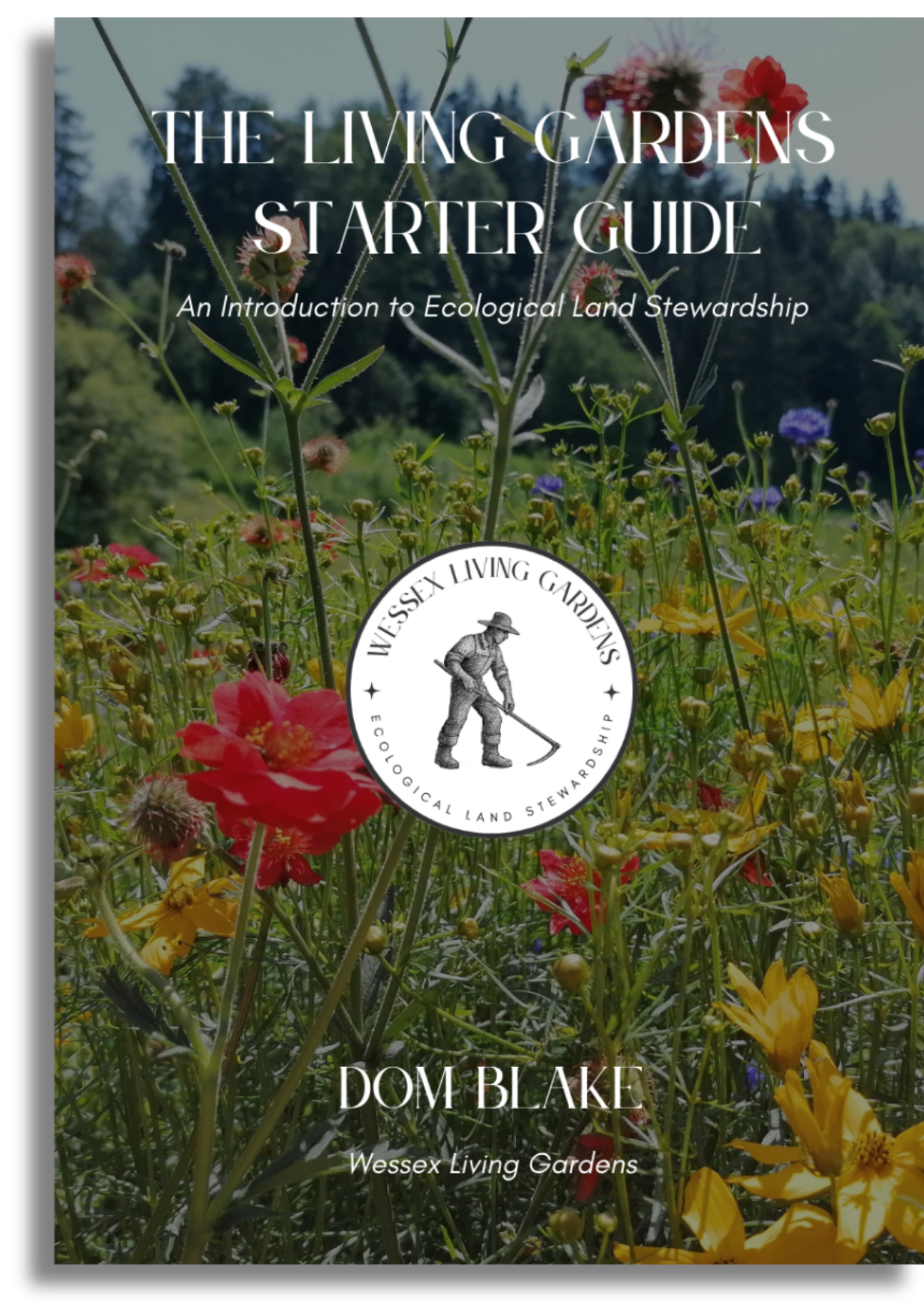
A free practical guide
Begin in your own garden
The Living Gardens Starter Guide introduces a practical way to apply these principles in your own garden, by observing it closely, understanding its relationships and identifying useful first steps.